
Male Fertility: What Every Couple Should Know Before Starting IVF
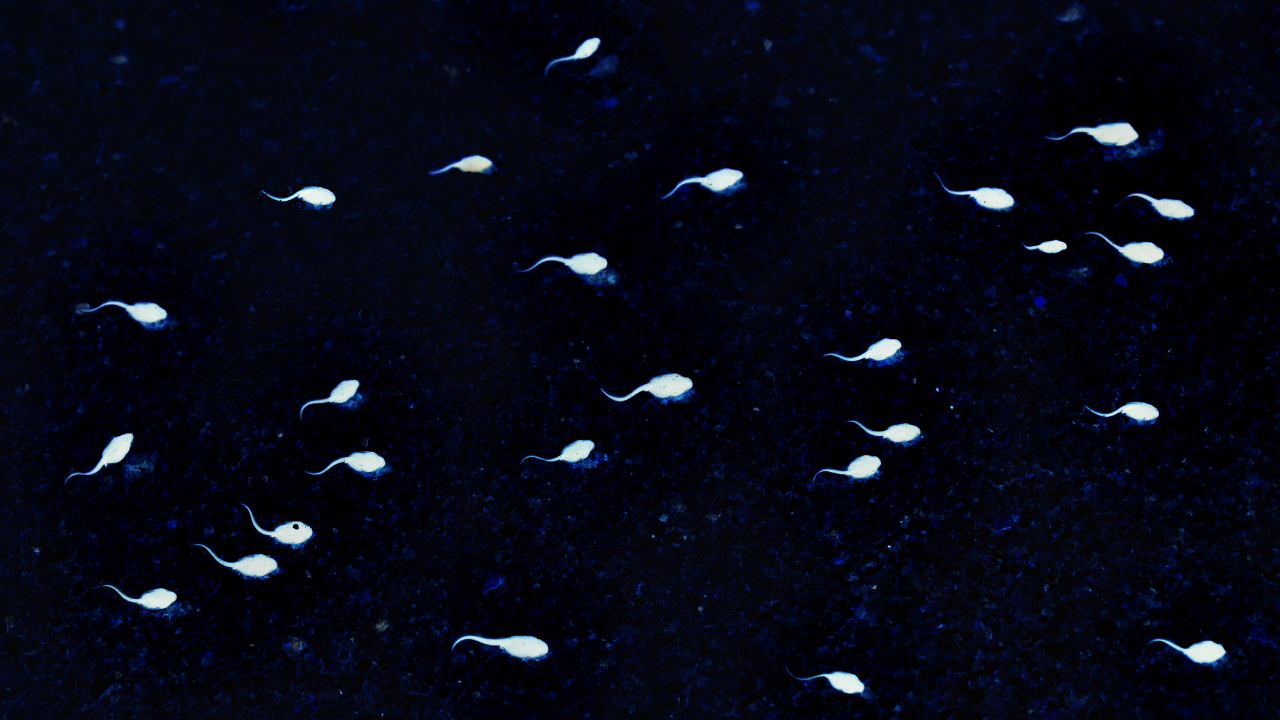
So you've been told your semen analysis is abnormal. Perhaps you've been diagnosed with low sperm count, poor sperm motility, or poor sperm morphology. Or maybe you've been told everything is "normal", yet months have passed and pregnancy still isn't happening.
What does that actually mean?
For many men, a semen analysis is the only fertility test they ever have. The results may highlight that something isn't quite right, but they rarely explain why. Even when semen parameters fall within the normal reference range, there can still be underlying factors affecting sperm function, fertilisation, embryo development, and the chances of achieving a healthy pregnancy.
As a fertility dietitian, one of the biggest gaps I see in male fertility care is that men are often given a result without a roadmap. They are told what their sperm are doing, but not what may be causing it.
Understanding the factors that influence sperm count, sperm motility, sperm morphology, and sperm DNA integrity is often the next step in uncovering why conception isn't happening and, more importantly, what can be done about it.
What Is Male Factor Infertility?
Male factor infertility refers to any issue affecting a man's ability to contribute to conception.
This may include:
- Low sperm count
- Poor sperm motility
- Poor sperm morphology
- High sperm DNA fragmentation
- Hormonal imbalances
- Infection or inflammation
- Varicocele
- Lifestyle and nutritional factors
Many men assume that if they feel healthy, their fertility must also be healthy. Unfortunately, sperm quality and general health don't always correlate.
A man can exercise regularly, have no symptoms, and still have significant fertility challenges.
What Does a Semen Analysis Measure?
A semen analysis is typically the first test performed when investigating male infertility.
The report generally looks at:
Sperm Count
Sperm count refers to the concentration of sperm present in a semen sample.
Low sperm count (also known as oligospermia) can reduce the chances of natural conception because fewer sperm are available to reach and fertilise the egg.
Common causes of low sperm count include:
- Nutrient deficiencies
- Smoking
- Obesity
- Excessive alcohol intake
- Varicocele
- Hormonal imbalances
- Environmental toxin exposure
One of the most common questions I hear is:
"How can I increase sperm count naturally?"
The answer depends on identifying the underlying cause. Nutrition, weight management, sleep, exercise, alcohol intake, metabolic health, and targeted supplementation can all play an important role.
Sperm Motility: Can Your Sperm Swim?
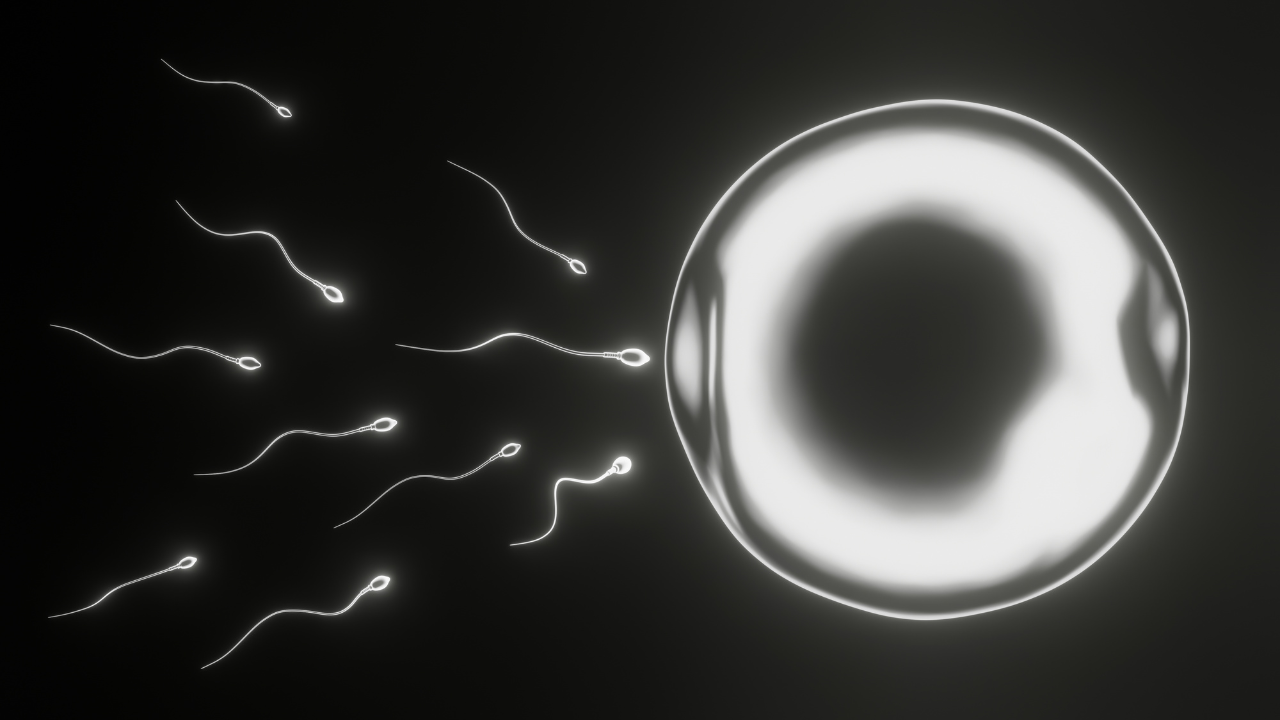
Sperm motility refers to how well sperm move.
For fertilisation to occur, sperm need to travel through the female reproductive tract and reach the egg.
Poor sperm motility (also called asthenozoospermia) means fewer sperm successfully complete this journey.
Factors that may contribute to low sperm motility include:
- Oxidative stress
- Poor mitochondrial function
- Nutrient deficiencies
- Smoking
- Infection
- Heat exposure
- Inflammation
When men ask me how to improve sperm motility, I often explain that motility is heavily influenced by cellular energy production. The mitochondria inside sperm cells act like tiny batteries, powering movement and fertilisation potential.
Sperm Morphology: Does Shape Matter?
Sperm morphology refers to the size and shape of sperm.
A sperm cell needs the right structure to successfully penetrate and fertilise an egg.
Poor sperm morphology (known as teratozoospermia) is one of the most common abnormalities identified on semen analysis.
Many men become alarmed when they see a result such as:
- 1% morphology
- 2% morphology
- 3% morphology
However, morphology results need to be interpreted carefully and in context with other semen parameters.
Poor sperm morphology can be associated with:
- Oxidative stress
- Nutritional deficiencies
- Environmental toxins
- Smoking
- Heat exposure
- Varicocele
- DNA damage
While morphology is important, it is rarely the only piece of the fertility puzzle.
The Missing Test: Sperm DNA Fragmentation

One of the most overlooked aspects of male fertility is sperm DNA fragmentation.
A standard semen analysis tells us how many sperm are present, how well they move, and what they look like.
What it doesn't tell us is whether the DNA inside those sperm cells is intact.
This is where sperm DNA fragmentation testing becomes valuable.
High sperm DNA fragmentation has been associated with:
- Unexplained infertility
- Recurrent miscarriage
- Poor embryo development
- Failed implantation
- Lower IVF success rates
- Reduced pregnancy rates
Importantly, a man can have completely normal sperm count, sperm motility, and sperm morphology while still having elevated DNA fragmentation.
This is one reason couples are sometimes told that everything looks "normal" despite struggling to conceive.
Why Sperm Quality Matters for IVF
Many couples assume IVF will overcome male infertility.
While IVF and ICSI can be incredibly effective tools, they do not necessarily repair underlying sperm quality issues.
Research suggests sperm health can influence:
- Fertilisation rates
- Embryo quality
- Blastocyst development
- Implantation
- Pregnancy outcomes
- Miscarriage risk
This is why improving sperm quality before IVF can be so important.
Can Sperm Quality Be Improved?
The encouraging news is that sperm are constantly being produced.
The sperm involved in conception three months from now are developing today.
A complete sperm development cycle takes approximately 72–80 days, which means positive changes made now can influence future sperm quality.
Areas that may improve sperm health include:
- Optimising nutrient status
- Improving omega-6:3 levels
- Correcting deficiencies
- Reducing oxidative stress
- Managing insulin resistance
- Improving sleep quality
- Limiting alcohol
- Avoiding smoking and vaping
- Supporting a healthy body weight
- Addressing infections and inflammation
Your Path Forward
If you have been told you have low sperm count, poor sperm motility, poor sperm morphology, or high sperm DNA fragmentation, there are often opportunities to investigate further and identify why these issues are occurring.
Male fertility is far more complex than a single semen analysis.
In my next blog, I'll walk you through the investigations I most commonly see missed in male fertility, including nutritional testing, sperm DNA fragmentation testing, and seminal microbiome analysis.
Understanding why sperm quality is compromised is often the first step towards improving it.
If you're looking for answers about your sperm health and fertility, book a strategy call to explore the underlying causes and create a personalised plan to support your fertility goals.
Otherwise, feel free to email me at [email protected] - I love answering questions!